Our Driving the Green community creates a future for golf to be a bridge of social equity, economic prosperity and environmental sustainability in the communities where the game lives.
Featured Content
Municipal golf can become an inspiring cornerstone of how municipalities meet the United Nations’ Sustainable Development Goals. In the latest edition of our Sustainability Spotlight Series, we are excited to share the process, results and methodology behind the National Links Trust’s first materiality assessment and stakeholder survey, and how we used the UN SDG framework to prioritize NLT’s current and future sustainable development programs in Washington, D.C.
We spoke with Andrew Glen, Superintendent at KDV Sports Complex on the Gold Coast of Australia to learn more about his one-of-a-kind, 100% organic golf course and how to make organic golf scalable across the industry.
At least 35% of the food we eat is directly dependent on the pollination services of bees. With their numbers in decline, might a symbiotic relationship with golf be the change needed to restore their numbers?
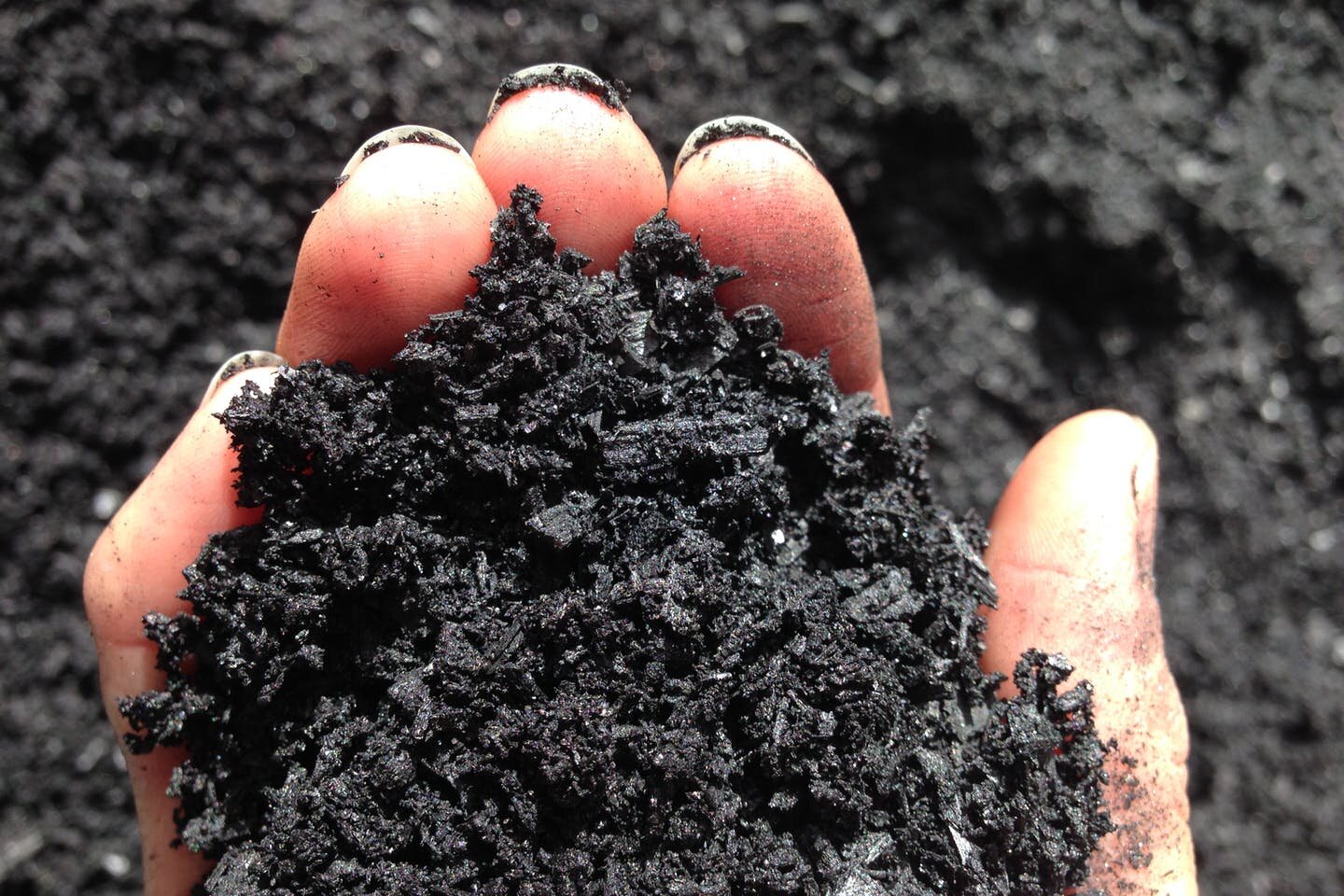
Can the secret ingredient to fertile grasslands be the key to golf courses creating engineered carbon sinks? Will Bowden of New Zealand Turf Management Solutions seems to think so.
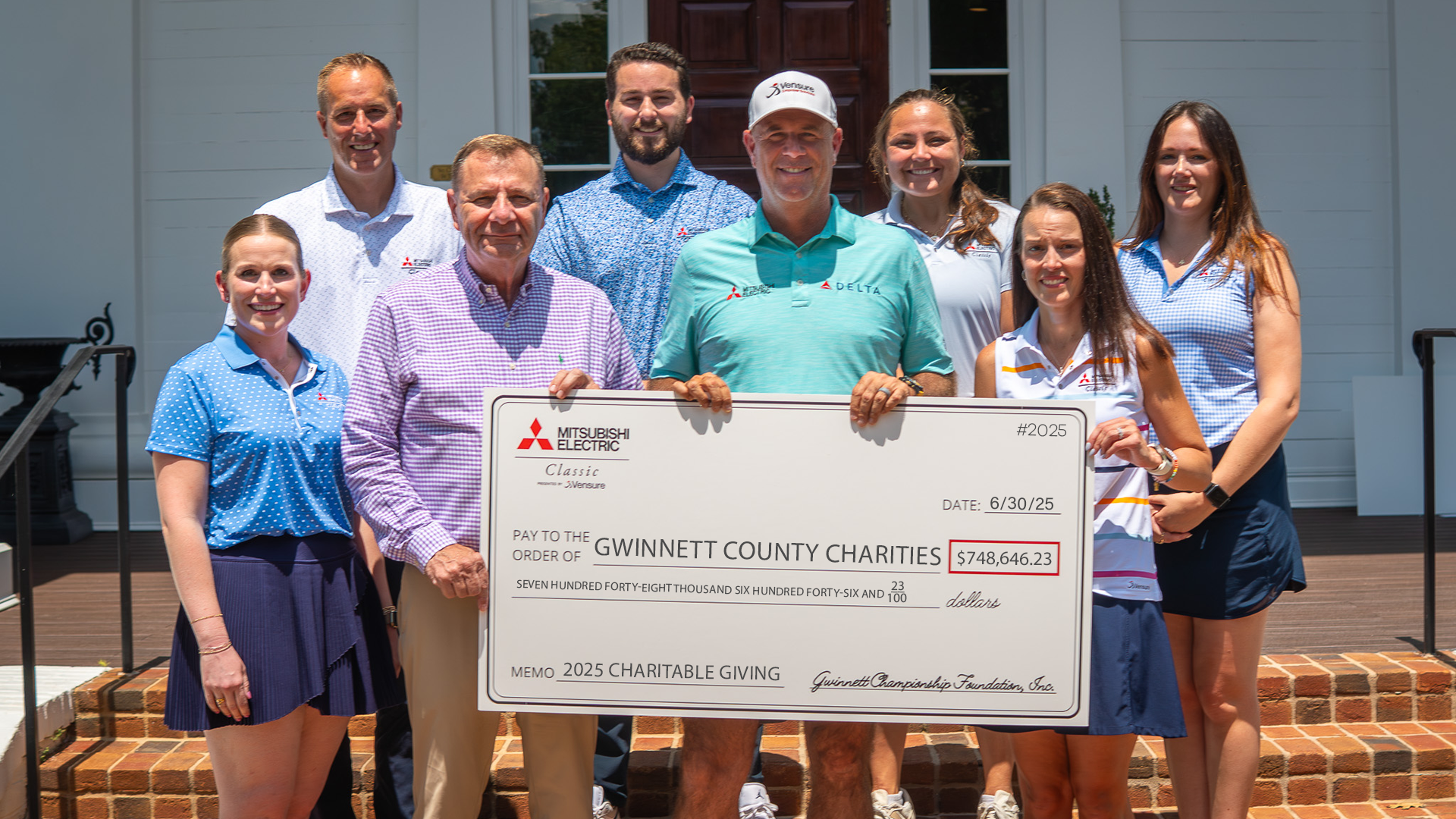
The Mitsubishi Electric Classic offers a leading example of sustainable golf tournament operations, demonstrating how environmental stewardship, community impact, and smart business practices can work together. In this interview, Senior Tournament Director Ashley Hamilton shares how the tournament embedded sustainability into core operations—through initiatives like digital ticketing, reusable signage, material recycling, food donation, and partner-funded community programs—long before publishing its first sustainability report in 2024. By prioritizing measurable, repeatable actions and leveraging long-term partnerships, the Mitsubishi Electric Classic shows how golf tournaments can reduce waste, strengthen local communities, and scale sustainability without disrupting fast-paced event environments.
Even if you don’t play golf, do yourself a favor and take a detour to Jekyll Island. The golf course is a true testament to what can happen when sustainability and conservation are at the forefront of a golf course development project. The work of Ross and Stein and their willingness to work within the parameters of the JIA’s development restrictions will impress golfers for generations to come.
In celebration of this year’s Green Sports Day, we’re looking towards the global sporting events coming to the U.S. in the next couple of years and how they’re influencing the sustainability of sports venues and operations here. Next summer, eleven U.S. cities across the country will host games for the FIFA World Cup. In 2028, Los Angeles will host the 2028 Summer Olympic Games (LA28).
No one is here to "save" the planet, and if anything, it's here to save us - away from the mechanical and technocratic tendencies of a modern materialism that misperceives itself as separate from the living world. What toward? More flow, healthier alignment, deeper fulfillment, and greater possibilities, rooted within a wisdom that is over 3.8 billion years old.
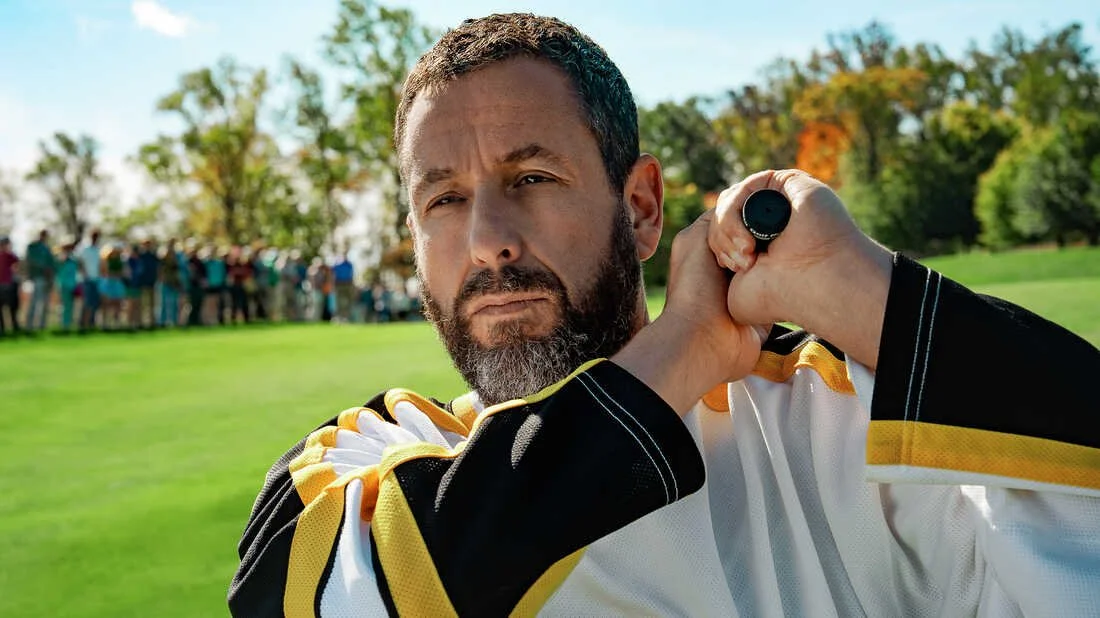
Happy Gilmore 2 highlights the ethics & essence of golf (integrity) vs the forces trying to separate and commercialize it for maximizing personal, short-term gain (i.e. “Maxi Golf”). The sequel is a respectable comedy in a modern world that’s devoid of fun comedy movies. Happy Gilmore 2 brings in hot-button subjects and portrays the wrestling of golf’s core ethics within its economic model for success (something like financial sustainability vs socio-cultural and interpersonal sustainability).
If we cast our gaze from the conventional wisdom of golf course management over to the quickly ballooning adoption of regenerative principles and practices in agriculture, we may find ways, completely out of the box, to think about and manage our courses differently (and perhaps a lot more profitably).